
Securing GraphQL Endpoints: Schema & Auth Bugs
October 22, 2026
Defending Against Password Spraying Attacks Across Hybrid Cloud Identity Systems
October 24, 2026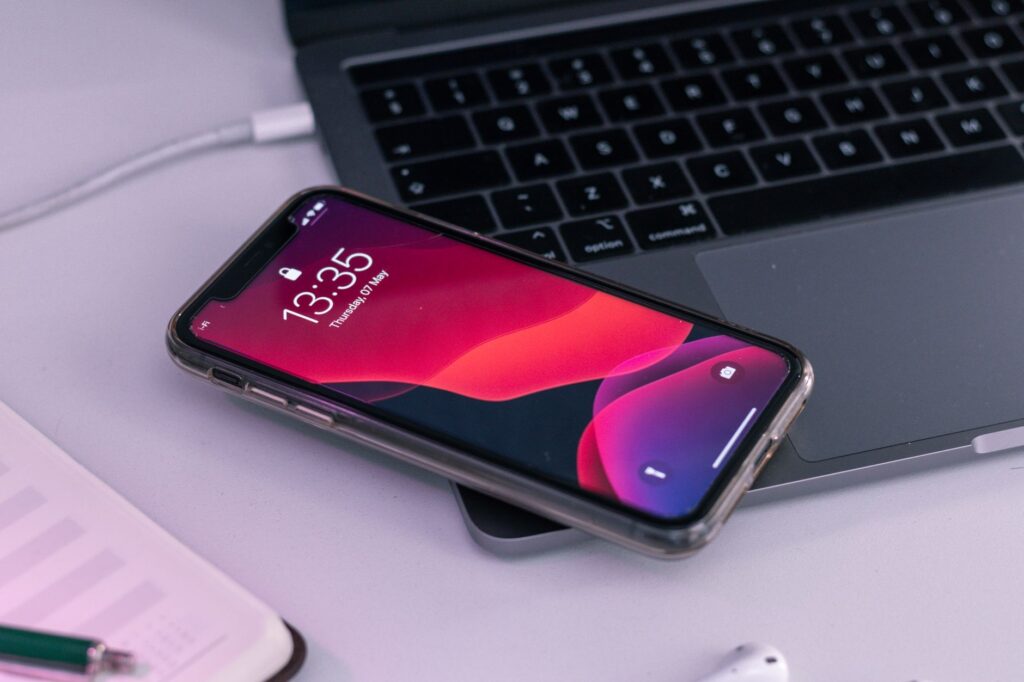
A target’s phone sits untouched on a conference room table. No suspicious link is clicked, no malicious attachment opened, no social engineering required. Seconds later, a nation-state adversary has silently exfiltrated six months of encrypted messages, calendar entries, and contact lists — all triggered by a single malformed image packet delivered over iMessage. This is not a hypothetical scenario from a threat model exercise. This is exactly what the NSO Group’s Pegasus spyware accomplished against journalists, activists, and heads of state using zero-click vulnerabilities documented by Citizen Lab between 2020 and 2023. Zero-click exploits represent the most operationally dangerous class of mobile attack precisely because the traditional security advice — “don’t click suspicious links” — is completely irrelevant. Defending against them demands an architectural rethink of how enterprises manage, monitor, and harden mobile endpoints.
Understanding Zero-Click Exploits: Attack Surface and Mechanics
A zero-click exploit is a remote code execution (RCE) vulnerability that requires zero interaction from the victim to trigger. The attack surface is any service running persistently on a device that automatically parses untrusted network input: messaging clients, email daemons, MMS processors, Wi-Fi stacks, and Bluetooth subsystems are all prime candidates. Unlike phishing-dependent attacks, zero-click chains can be fired silently, leaving minimal forensic artifacts because no user-initiated process creates the telltale execution path.
How Attack Chains Are Constructed
Sophisticated zero-click campaigns typically chain multiple vulnerabilities: a parsing bug in a media library (e.g., a heap overflow in libwebp, CVE-2023-4863) provides initial memory corruption; a logic flaw in the sandbox escape layer elevates privilege; a kernel vulnerability achieves persistence. The BLASTPASS exploit chain — weaponizing PassKit and WebP vulnerabilities against iOS 16.6 — was delivered entirely through iMessage without any user interaction and was assessed by Apple’s Security Engineering team as a zero-day chain requiring immediate out-of-band patching in September 2023. Enterprises running patch cycles on 30- or 60-day cadences were exposed for weeks after public disclosure.
Platforms Most Frequently Targeted
Both iOS and Android carry meaningful zero-click risk, though the attack vectors differ. iOS’s tightly integrated iMessage and Image I/O framework have been repeatedly weaponized due to their automatic parsing behavior. Android’s attack surface is broader: OEM-customized media frameworks, pre-installed carrier applications, and fragmented patching pipelines create a more heterogeneous threat landscape. A 2024 analysis by Google Project Zero found that 61% of in-the-wild zero-day exploits targeting mobile platforms abused memory-corruption flaws in image, font, or video parsing libraries — components that operate entirely below user awareness.
Enterprise Mobile Risk: Why Corporate Devices Are High-Value Targets
Mobile devices have graduated from productivity accessories to primary authentication factors, VPN endpoints, and repositories of sensitive corporate credentials. An enterprise mobile device often holds SSO tokens, MDM profiles, corporate email, and access to cloud collaboration platforms simultaneously. Compromising a single executive’s handset can yield lateral movement opportunities equivalent to breaching a network perimeter.
The BYOD Compounding Factor
Bring Your Own Device policies dramatically expand organizational exposure. A 2025 Lookout Mobile Security Report found that 46% of enterprise BYOD enrollees were running mobile operating systems more than two major versions behind current — a gap that almost certainly includes unpatched zero-click-exploitable components. Unlike managed corporate devices, BYOD endpoints frequently lack Mobile Threat Defense (MTD) tooling, enforce no minimum OS version requirements, and may carry third-party keyboard or utility apps that introduce additional parsing attack surfaces. Security teams cannot realistically patch what they do not control.
Privilege and Credential Exposure
Modern mobile banking trojans and spyware tools like Hermit (attributed to Italian vendor RCS Lab and documented by Google TAG in 2022) demonstrated that post-exploitation mobile implants can silently harvest: biometric authentication bypass tokens, stored OAuth credentials, session cookies from enterprise SaaS platforms, and real-time audio/video feeds. Once a zero-click chain achieves kernel-level execution, conventional application-layer controls — app sandboxing, container encryption — are effectively neutralized. The security model collapses from below.
Detection Strategies: Finding Silent Exploits on Managed Fleets
Detection is the hardest problem in zero-click defense because the attack produces no user-generated artifacts. There is no phishing email to flag, no suspicious URL in proxy logs, no endpoint alert triggered by a user clicking the wrong attachment. Detection must therefore shift from behavioral heuristics triggered by user actions to anomaly detection at the process, network, and memory layers.
Mobile Threat Defense and Kernel Telemetry
Enterprise-grade MTD platforms — including Zimperium zIPS, Lookout Mobile Endpoint Security, and Microsoft Defender for Endpoint on iOS/Android — provide on-device machine learning models that profile process behavior, system call frequency, and network connection patterns. When a parsing library process such as imagetranscoderservice or mediaserver suddenly initiates outbound TLS connections to novel external IP ranges, anomaly scoring should trigger an alert. The challenge is calibrating detection sensitivity: overly aggressive thresholds generate alert fatigue in environments with hundreds of managed devices.
Apple’s Lockdown Mode, introduced in iOS 16, represents a rare instance of a platform vendor explicitly acknowledging the zero-click threat model and hardening the attack surface at the OS level. Lockdown Mode restricts iMessage attachment types, disables JIT compilation in WebKit, blocks wired device connections from unknown accessories, and limits certain Bluetooth profiles — collectively collapsing a significant portion of the attack surface used in Pegasus-class operations. Organizations managing high-risk personnel — C-suite executives, M&A negotiators, board members — should mandate Lockdown Mode enrollment as a standard security baseline, accepting the modest usability trade-offs.
Network Traffic Analysis and Exfiltration Indicators
Because zero-click implants must eventually communicate with command-and-control infrastructure to deliver exfiltrated data, network-layer monitoring remains a valuable detection layer even when on-device detection fails. Deploying DNS security filtering (e.g., Cisco Umbrella or Cloudflare Gateway) across mobile VPN profiles, combined with behavioral analytics that flag DNS queries to newly registered domains or domains with low reputation scores, can surface C2 communication after initial compromise — enabling faster containment even when prevention failed. Amnesty International’s Security Lab identified Pegasus-infected devices partly through analysis of unusual DNS lookup patterns to domains following specific lexical generation algorithms.
Mitigation Frameworks: Defense-in-Depth for Mobile Endpoints
No single control eliminates zero-click risk entirely. The appropriate defensive posture layers preventive hardening, detection capability, and rapid response capacity into an integrated framework. The following controls represent current best practice as of October 2026.
OS Patching Velocity as a Security Metric
Speed of patch deployment is arguably the highest-ROI mitigation for zero-click vulnerabilities. The window between public CVE disclosure and active exploitation continues to compress: Google Project Zero’s 2024 data showed the median time-to-exploitation for mobile kernel vulnerabilities dropped to 12 days post-disclosure, down from 32 days in 2021. Organizations using MDM platforms (Jamf Pro for iOS, VMware Workspace ONE, Microsoft Intune) should enforce patch compliance windows of 72 hours for critical CVEs — with automated quarantine actions that restrict network access for non-compliant devices until updates are verified. This requires patching to be treated as a security-critical SLA, not an IT operations convenience.
Attack Surface Reduction Policies
Beyond patching, reducing the persistent attack surface on managed mobile devices yields significant defensive value:
- Disable automatic iMessage link preview and media auto-download via MDM configuration profiles to prevent automatic parsing of untrusted content.
- Restrict third-party app sideloading and enforce application allowlisting through managed app catalogs — particularly important on Android enterprise deployments in the EU where the Digital Markets Act has created new sideloading pressures.
- Limit Bluetooth discoverability on corporate devices to reduce proximity-based attack vectors (CVE-2023-45866 demonstrated a zero-click Bluetooth HID injection affecting multiple mobile platforms).
- Enforce VPN-always-on configurations to route all device traffic through corporate DNS security and network monitoring infrastructure, eliminating split-tunnel blind spots.
- Disable iMessage for high-risk personnel or mandate Signal with its open-source, audited codebase and reduced automatic parsing behavior as the primary encrypted communication channel.
Privileged Access Hardening
Because a successfully exploited mobile device may serve as a stepping stone into enterprise cloud infrastructure, privileged access hygiene becomes a critical containment measure. Implement device posture-aware conditional access policies via identity providers such as Okta or Microsoft Entra ID — ensuring that even a compromised device cannot silently escalate into cloud workloads without triggering a step-up authentication challenge. Hardware security keys (FIDO2/passkeys) bound to specific device attestation states are significantly more resistant to credential harvesting via mobile spyware than TOTP-based MFA, which can be captured in real-time by a kernel-level implant.
Incident Response Considerations for Zero-Click Compromise
When a zero-click compromise is suspected or confirmed, the incident response playbook for mobile endpoints differs substantially from traditional endpoint IR. Standard EDR-driven remediation — isolate, image, analyze — does not translate cleanly to managed mobile devices, particularly iOS, where deep forensic access is architecturally constrained by Apple’s security model.
Mobile Forensics and the Evidence Preservation Challenge
Amnesty International’s Mobile Verification Toolkit (MVT) is currently the most widely deployed open-source tool for detecting Pegasus and related spyware on both iOS and Android endpoints. MVT analyzes iTunes/iCloud backups and Android full-filesystem dumps for known indicators of compromise (IOCs) — including diagnostic log entries, DNS history anomalies, and process execution traces associated with documented implant behavior. However, MVT’s effectiveness depends on IOC freshness; sophisticated threat actors actively modify their tooling to evade known signatures. For enterprise security teams, integrating MVT scans with threat intelligence feeds from providers like iVerify (which offers continuous background scanning of iOS device telemetry) creates a more resilient detection posture.
A critical procedural note: when mobile spyware compromise is confirmed, the recommended response is full device replacement rather than software remediation for high-risk individuals. Kernel-level implants on iOS can survive factory resets in some documented configurations, and the forensic integrity of a compromised device should be preserved for threat intelligence purposes rather than immediately wiped.
Containment and Notification Requirements
Zero-click compromises involving corporate data may trigger regulatory notification obligations under GDPR, CCPA, and sector-specific frameworks (HIPAA, DORA for financial entities operating in the EU). Security teams should pre-define thresholds and notification timelines in their IR plans — particularly given that the average dwell time for mobile spyware implants is estimated at 120–180 days before detection, meaning exposure periods may encompass multiple regulatory reporting windows. Engaging legal counsel during the investigation phase is essential for accurately scoping notification obligations given the protracted discovery timelines typical of these incidents.
Key Takeaways
- Zero-click exploits require no user interaction, rendering conventional security awareness training irrelevant as a primary defense — organizational protection must be architectural and technical, not behavioral.
- Patch velocity is your highest-ROI control: enforcing a 72-hour critical patch SLA with MDM-driven compliance quarantine dramatically narrows the exploitation window, given median time-to-exploitation of 12 days for disclosed mobile vulnerabilities.
- Apple Lockdown Mode and Android Enterprise hardening profiles materially reduce zero-click attack surface for high-risk personnel and should be standard policy for executive and privileged-access device enrollments.
- Detection requires multi-layer telemetry: combining on-device MTD anomaly detection with network-layer DNS monitoring and periodic MVT forensic sweeps creates overlapping detection opportunities that no single tool can provide alone.
- Incident response planning must account for the unique forensic and regulatory complexity of mobile compromises, including extended dwell times, architectural constraints on deep forensics, and the possibility that factory reset is insufficient remediation for kernel-level implants.
Conclusion: Treating Mobile Security as Critical Infrastructure
The persistent illusion that mobile devices are “secondary” endpoints — less critical than workstations, less risky than servers — has been systematically dismantled by a decade of increasingly sophisticated zero-click campaigns. As mobile devices consolidate more privileged access, authentication authority, and sensitive communications into a single pocket-sized target, the asymmetric advantage held by actors capable of deploying zero-click chains becomes a board-level risk management concern, not merely a technical one.
The defensive response must be equally systematic. Begin this quarter by auditing your mobile fleet’s patch compliance distribution using your existing MDM platform — if more than 15% of managed devices are running OS versions behind the current release, that gap represents measurable, quantifiable organizational risk. Mandate Lockdown Mode for all C-suite and privileged-access enrollments. Integrate a Mobile Threat Defense solution with your SIEM to surface process-level anomalies from managed devices. And schedule a tabletop exercise specifically scoped to zero-click mobile compromise — walking your IR team through the MVT analysis workflow, regulatory notification timelines, and device replacement logistics before the scenario is real. The organizations that survive sophisticated mobile intrusion campaigns are not those with the largest security budgets; they are those that treated the threat as credible before an adversary demonstrated it.
💡 Enjoyed this article?
Subscribe for more expert insights delivered to your inbox.
Follow us or subscribe below xe2x80x94 free, no spam.